


2 types of resources that can be recovered by nanofiltration technology
What is nanofiltration?
Nanofiltration (NF) is a semi-permeable membrane (an ultra-thin selective barrier) used to filter liquids in a wide range of industries. Nanofiltration pore size is between 1~10 nm, between reverse osmosis and ultrafiltration, and it is the second dense film.
The liquid is pushed through the membrane by pressure: particles smaller than the diameter of the nanofiltration membrane aperture will pass through, while particles larger than the diameter of the nanofiltration membrane aperture will be trapped. Particles can not only be trapped by size exclusion, but may also selectively attract or repel certain contaminants depending on their charge or chemical affinity, trapping by membrane surface chemical effects.
Nanofiltration improves water quality, and it uses less energy than reverse osmosis (RO). For the treatment of some water that does not need to remove high salinity, nanofiltration membranes can be used as an effective alternative membrane for RO, with the ability to remove bacteria, viruses, organic matter and bivalent ions.
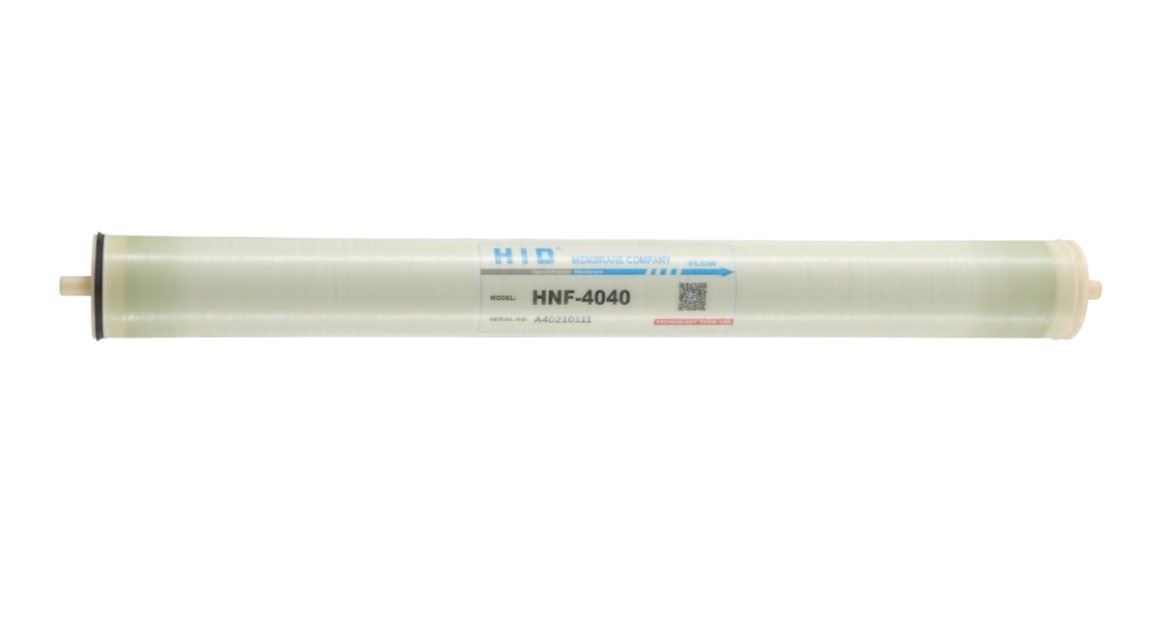 Nanofiltration was originally used for sulfate removal in the oil and gas industry, but is now used in the water treatment industry, for example, water softening, drinking water and treating large quantities of industrial wastewater and brine. More recently, nanofiltration has also been used to remove emerging contaminants from drinking water.
Nanofiltration technology can first recover high quality water suitable for reuse, in line with the concept of circular economy, but also through the recovery of other resources (such as biological resources, minerals and chemicals) is gradually gaining attention in the market.
Sodium hydroxide (NaOH)
Sodium hydroxide (NaOH) is a versatile alkaline salt that corrodes and dissolves organic and inorganic materials. Therefore, it is used in cleaning, fat removal and stripping processes in various industries.
Due to the high concentration of pollutants in waste caustic soda, it is usually not used again in industrial production. Instead, other chemicals, such as hydrochloric or sulfuric acid, need to be added to neutralize the alkalinity. However, with nanofiltration technology, waste caustic soda can be recovered and reused by removing impurities.
One of the largest regional consumers of caustic soda is South Asia, which has a large textile industry. Here, caustic soda solution is not only used for cleaning, but is also a key part of textile manufacturing, especially in the bleaching process where it improves the strength, shine and dye affinity of cotton fibers.
Since 2020, we have received frequent inquiries for nanofiltration membranes in the Southeast Asian market. Therefore, in the same year, our company built its own nanofiltration membrane production line. Conduct technical communication with teams from internationally renowned brands such as Dow, HYDRANAUTICS, Toray, Vontron, etc.
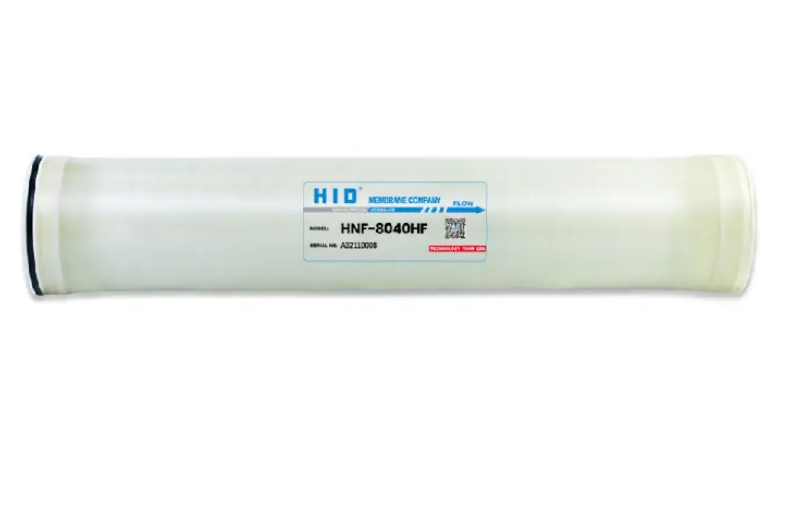
HID HNF-8040HF is our first model of nano membrane, which became the main promotion model and was widely praised by users in the textile industry.
Recycled fertilizer
Phosphorus, a key nutrient in fertilizers, is becoming scarce, raising concerns about long-term food security. Phosphorus is a finite resource that comes from phosphate mining. With global phosphorus reserves dwindling and confined to individual regions, supply chains are vulnerable.
At the same time, the excessive concentration of this precious nutrient is wreaking havoc on the ecosystem, causing serious pollution to the water body through the process of eutrophication. By capturing and recycling this nutrient to create a biological resource, two challenges can be addressed simultaneously: food security and environmental degradation.
Although nanofiltration is not an essential process for recycled fertilizer production, it can create a higher quality product by removing impurities and concentrating nutrients in the digestive juices. With the coagulation-flocculation method, the raw material can be contaminated with residual chemicals, while nanofiltration avoids this problem by physically separating through the membrane rather than chemically. In addition to creating high-quality biological resources and generating profits for end users, the quality of discharged water has also been improved and the cost of biosolids treatment has been reduced.